
Malvasia Istriana
The finest expression of the Malvasia family in Italy—grown on the Friuli and Istrian coast, producing aromatic, structured dry whites of real complexity and aging potential.
Malvasia Istriana is a grape variety most associated in Italy with Collio Goriziano.
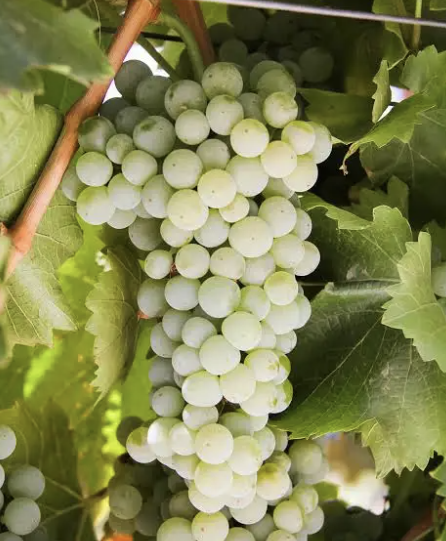
Malvasia Istriana is one of the finest white grapes of Italy’s north-eastern frontier, a distinctive and characterful variety that thrives in the borderlands where Italy, Slovenia and Croatia meet. Unlike the many aromatic and sweet grapes that share the Malvasia name, this is a dry, savoury and mineral white of real class. In the great vineyards of the Collio it produces some of Friuli’s most compelling and food-friendly wines.
Origins and history Malvasia Istriana takes its name from the Istrian peninsula, the sea-girt land shared today by Italy, Slovenia and Croatia. It is usually taken to be Istrian in origin, as the name implies, and it has been documented in Friuli Venezia Giulia since the thirteenth century — well before the Venetian maritime trade that spread the Malvasia name across the Mediterranean. There is an oddity in the record worth noting: no document has been found placing the variety in Istria itself before 1891, so the name may have attached later than the vine. It should also not be confused with Malvasia di Sardegna, from which it is genetically distinct, the two sharing only a third of their alleles. Over the centuries it became thoroughly at home in the hills of Friuli-Venezia Giulia, developing its own distinct local identity.
A Malvasia apart The Malvasia family is vast and varied, encompassing everything from sweet, aromatic wines to sparkling and fortified styles. Malvasia Istriana stands apart as a dry, subtly aromatic white of savoury depth and finesse. The DOCs of Collio and Isonzo in Friuli are regarded as producing the finest examples, where the grape’s floral perfume and saline minerality are given their fullest and most elegant expression.
Appearance and structure The wines are typically straw yellow, medium-bodied and beautifully balanced, with a fresh acidity and a savoury, saline core. There is a textural richness to the best examples that gives them weight and presence without heaviness. Malvasia Istriana can be made in a fresh, aromatic style or, from riper fruit, in a fuller and more structured guise, and it also takes well to skin-contact fermentation.
Aromatic profile The nose is delicately perfumed, offering apple, peach and apricot alongside white flowers, straw and a distinctive note of geranium and rose. A characteristic saline, subtly diesel-like minerality gives the wine complexity and grip. With age, or from riper fruit, the wines can develop honeyed and nutty tones, deepening their savoury, textured character.
In the vineyard Malvasia Istriana thrives in the Collio, whose Mediterranean-influenced climate, tempered by sea breezes, and soils rich in limestone, clay and sand provide an ideal terroir. The sunny days and cooling winds allow balanced ripening while preserving the freshness and liveliness that define the wines. Its adaptability lets growers steer the grape toward either lighter, aromatic wines or riper, fuller styles.
In the cellar Winemakers work Malvasia Istriana in several ways, from cool, protective fermentation in stainless steel for fresh, aromatic wines to lees ageing and oak for richer, more textured versions. Its structure and thicker skins also make it a good candidate for skin-contact, or orange, wine, a style with deep roots in this border region. This versatility allows it to express many facets of its savoury character.
Key expressions
- Fresh, aromatic Collio and Isonzo dry whites.
- Richer, lees-aged and oak-influenced versions.
- Skin-contact orange wines from the border zone.
- Saline, mineral bottlings expressing the Collio terroir.
The question of aging While often enjoyed young for its floral freshness, the best Malvasia Istriana, particularly the riper and skin-contact styles, can age gracefully. Over several years the wines develop honeyed, nutty and increasingly savoury complexity while retaining their saline minerality. This capacity to evolve marks it out as a serious white, worthy of the cellar as well as the everyday table.
At the table Its savoury depth, salinity and balanced acidity make Malvasia Istriana a superb food wine, especially with the seafood of the Adriatic, from shellfish and crustaceans to grilled and fried fish. It also flatters cured hams, risotto, white meats and the region’s cuisine of land and sea alike. Fuller and orange versions handle richer fare. Serve moderately chilled.
Why it matters Malvasia Istriana proves that the sprawling Malvasia family can produce dry whites of genuine seriousness and finesse. It gives the borderlands of Friuli a distinctive, saline and food-friendly grape that captures the meeting of Italian, Slavic and Mediterranean cultures. For those exploring the great whites of the north-east, Malvasia Istriana is an elegant and rewarding essential.