
Ripoli
A rare Campanian white grown on the Sorrento peninsula and islands, contributing its floral delicacy to local DOC blends.
Ripoli is a grape variety most associated in Italy with Costa d'Amalfi. I have reviewed one wine made from it.
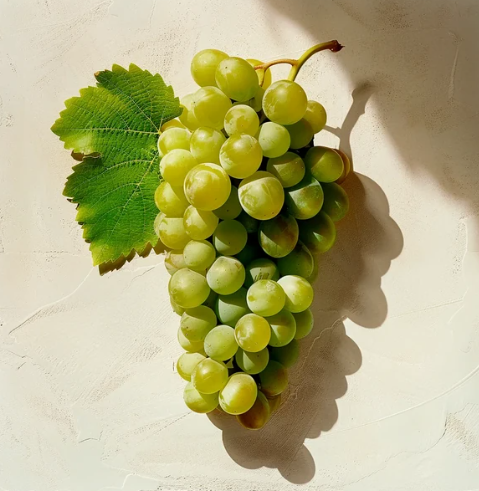
The Backbone of an Amalfi Classic Ripoli is a rare white grape native to the Amalfi Coast of Campania, in southern Italy, where it grows on the region’s breathtaking cliffside terraces. Almost unknown outside its home, it is best recognised as the leading grape in the celebrated Amalfi Coast white blend, to which it lends freshness and structure. A variety of a single, dramatic terroir, it is a cherished survivor of the coast’s ancient, heroic wine culture.
An Amalfi Native Ripoli is one of a tiny group of white grapes — with Fenile, Ginestra and Pepella — believed to grow only on the Amalfi Coast, where they have persisted for centuries on the steep slopes above the Tyrrhenian Sea. Cultivated around Furore and the neighbouring coastal villages, Ripoli is tied to this narrow, vertical landscape, and its rarity reflects both its confined home and the extraordinary difficulty of farming there.
The Fiorduva Blend Ripoli’s fame comes from its role as the principal grape in the famous Amalfi Coast white made from the local trio, a dry blend of about forty per cent Ripoli, thirty per cent Fenile and thirty per cent Ginestra. As the largest component, Ripoli forms the backbone of this celebrated wine, contributing freshness and structure to a blend admired for its aromas of apricot, broom flower and a hint of tropical fruit.
In the Vineyard Ripoli grows on the Amalfi Coast’s astonishing terraced vineyards, where dry-stone walls support vines on near-vertical slopes high above the sea. This heroic, hand-worked viticulture, cooled by maritime breezes and rooted in poor, rocky soils, gives modest yields of healthy, characterful fruit. The extreme terrain, sea air and intense sunlight together shape the grape, concentrating its flavour in one of Italy’s most spectacular and demanding wine regions.
Appearance and Structure Ripoli gives fresh, structured dry whites of medium body and lively acidity, qualities that make it the freshening backbone of the blends in which it appears. Grown in its dramatic coastal setting and often picked late, it combines ripeness with the brightness of its maritime home, lending the wines both substance and freshness. Its structure and acidity are its chief contributions to the celebrated Amalfi white.
Aromatic Profile Ripoli contributes fresh orchard and citrus fruit, white flowers, broom blossom and a gentle mineral, herbal character to the wines in which it features, adding to the apricot and tropical-fruit aromas of the famous blend. Rather than showy on its own, it offers freshness and finesse, its clean, floral, subtly mineral character providing lift and elegance and helping to balance the richer, riper notes of its blending partners.
In the Cellar Ripoli is vinified chiefly as the leading grape of the Amalfi Coast white blend, where the whole grapes are gently pressed, cold-settled and fermented slowly at cool temperatures, sometimes in barrique, over several months. This careful winemaking, applied to late-harvested fruit, draws richness and complexity from the blend while Ripoli’s freshness and structure keep the finished wine balanced, vibrant and age-worthy.
Key Expressions
- Costa d’Amalfi Furore Bianco: the celebrated blend led by Ripoli.
- Barrique-fermented cuvées: the richer, oak-influenced version of the wine.
- Amalfi Coast whites: a fresh, structuring component of the region’s native-grape wines.
- Terraced single sites: heroic wines from cliffside coastal vineyards.
The Question of Aging As the backbone of the celebrated Amalfi blend, Ripoli lends the wine the freshness and structure that underpin its aging potential, and the barrique-fermented versions in particular can develop for several years, the fruit deepening and the aromatics gaining complexity while the acidity keeps the wine lively. Ripoli’s structure gives the finished wines a resilience rare among southern Italian whites.
At the Table As the leading grape of the Amalfi Coast white, Ripoli’s freshness and structure suit the seafood and coastal cuisine of its home — grilled fish, shellfish, seafood pasta and delicate antipasti — while the richer, barrique-fermented versions partner more substantial fish and white-meat dishes. The blend’s balance of freshness, body and aromatic complexity makes it a versatile and distinguished companion for Mediterranean food.
Why It Matters Ripoli is the backbone of one of southern Italy’s most celebrated white wines — a rare Amalfi Coast native, all but unknown elsewhere, that lends freshness and structure to a blend prized around the world. Saved by the coast’s heroic growers on their vertiginous terraces, it stands as a proud emblem of Campania’s remarkable diversity of indigenous grapes and its ancient wine culture.