
Turbiana
The ancient white of Lake Garda's southern shore—identical to Verdicchio—producing crisp, mineral, citrus-forward wines of the Lugana DOC from glacial moraines.
Turbiana, also known as Trebbiano di Lugana, is a grape variety most associated in Italy with Lugana. I have reviewed five wines made from it.
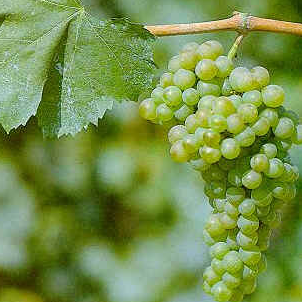
The Grape of Lugana Turbiana is the white grape behind Lugana, the distinctive wine of the southern shores of Lake Garda. Grown on the clay soils between Lombardy and the Veneto, it produces textured, savoury whites with fresh acidity, gentle body and a characteristic almond and citrus character. Long confused with other varieties, Turbiana has emerged as one of northern Italy’s most quietly compelling white grapes, defined above all by its lakeside home.
A Question of Identity For years Turbiana was assumed to be a form of Trebbiano — it was often called Trebbiano di Lugana — but modern research has shown it to be genetically identical, or very closely related, to Verdicchio, the great white of the Marche. This link explains its structure and aging potential, and growers now use the name Turbiana to distinguish it from the ordinary Trebbiano family with which it was long muddled.
Home on Lake Garda Turbiana’s home is the Lugana zone, a flat stretch of land along the southern shore of Lake Garda straddling Lombardy and the Veneto. Its heavy, mineral-rich clay soils, once lakebed, and the moderating influence of the great lake give the wines their particular character — a combination of freshness, texture and savoury depth that sets Lugana apart from the many lighter whites of the region.
In the Vineyard Turbiana is well suited to the dense clay soils of Lugana, which retain water and lend the wines body and structure, while the tempering effect of Lake Garda extends the growing season and preserves acidity. A relatively late-ripening variety, it gives balanced fruit of good concentration, the clay and lakeside climate together shaping its textured, savoury style.
Appearance and Structure Turbiana gives pale, medium-bodied dry whites with fresh acidity, a gentle texture and a savoury, almond-tinged finish. More structured and ageworthy than its Trebbiano reputation once suggested, it combines freshness with a certain weight and grip, producing wines that are both refreshing in youth and capable, in their best forms, of developing with time in bottle.
Aromatic Profile The aromas are subtle and savoury — citrus, white flowers, green apple and a signature note of bitter almond, with hints of herbs and a mineral, saline undertone. Rather than showy fruit, Turbiana offers restraint and complexity, the almond and mineral character deepening with age into a distinctive, faintly nutty savouriness that is the hallmark of fine Lugana.
In the Cellar Lugana is made in several styles, from fresh stainless-steel bottlings to riper Superiore and oak-influenced versions, as well as sparkling and late-harvest wines. Most is vinified to preserve the grape’s fresh acidity and savoury character, though the best Superiore and reserve wines gain texture and complexity from lees contact and, sometimes, judicious oak, revealing Turbiana’s fuller, more serious side.
Key Expressions
- Lugana DOC: the fresh, textured classic from the southern lakeshore.
- Lugana Superiore: riper, more structured and ageworthy wines.
- Lugana Riserva: the fullest, most complex expressions, often lees- or oak-aged.
- Spumante: sparkling Lugana showing the grape’s fresh, savoury side.
The Question of Aging Long underestimated, Turbiana in fact ages remarkably well thanks to its Verdicchio kinship and firm acidity. While basic Lugana is delicious young, the Superiore and Riserva wines can develop for five to ten years or more, the fresh fruit giving way to deeper honeyed, nutty, mineral complexity while the almond-tinged savouriness and structure endure.
At the Table Turbiana’s freshness, texture and savoury almond character make it a versatile food white, and a natural partner for the lake fish of its home — as well as seafood, risotto, poultry, creamy pasta and fresh cheeses. Its acidity cuts through richer dishes while its body stands up to more substantial fare, making it unusually food-friendly.
Why It Matters Turbiana is the quiet overachiever of northern Italian whites — a grape long dismissed as humble Trebbiano that turned out to be Verdicchio in disguise, capable of textured, savoury, ageworthy wines. As the soul of Lugana, it shows how a rediscovered identity can transform a variety’s reputation and reveal a lakeside classic in the making.