
Viognier
The aromatic Rhône white finding increasing expression in Italy—particularly in Tuscany and Umbria—producing richly perfumed wines of peach, apricot, and floral complexity.
Viognier is a grape variety most associated in Italy with Sicilia and Terre Siciliane. I have reviewed one wine made from it.
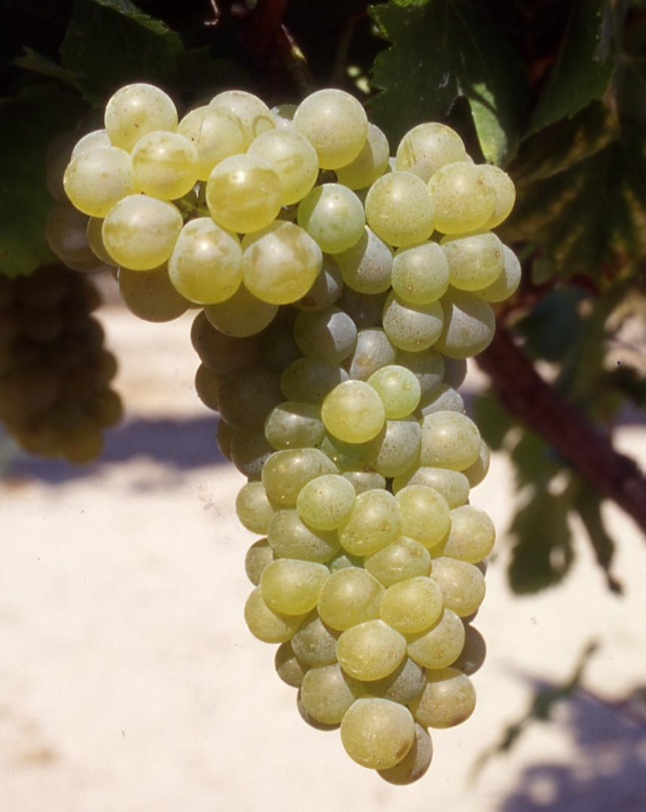
The Aromatic Rhône White Viognier is a richly aromatic white grape of Rhône origin that has found a warm and increasingly successful home in central and southern Italy. Full-bodied, perfumed and exotic, it produces opulent whites of peach, apricot and flowers quite unlike the country’s crisper native varieties. A relative newcomer, it has carved out a niche as one of the most distinctive of the international white grapes grown under the Italian sun.
A Rhône Native Viognier hails from the northern Rhône, where it makes the celebrated, rare white wines of Condrieu. Once nearly extinct even in France, it was rescued and has since spread around the warmer wine regions of the world. Naturally low in acidity and high in aromatics, it needs warmth to ripen fully and develop its hallmark perfume, which makes much of Italy well suited to it.
A Grape of Warm Italy In Italy, Viognier is grown chiefly in the warm centre and south — Sicily, Tuscany, Lazio, Umbria and Puglia — where the generous sunshine ripens it to full aromatic expression. It is made both as a varietal wine and as a perfuming component in white blends, valued for the exotic richness and floral lift it brings to wines from these sun-filled regions.
In the Vineyard Viognier is a somewhat capricious, low-yielding variety that demands full ripeness to express its aromatics, yet can quickly lose its modest acidity and turn heavy if picked too late. Careful timing of the harvest is therefore crucial, and the best Italian examples come from sites where warmth is balanced by altitude or careful canopy management to preserve freshness.
Appearance and Structure Viognier gives deep golden, full-bodied whites with low to moderate acidity and a rich, oily, weighty texture. It is among the most opulent of dry white wines, its body and aromatic intensity giving an impression of richness and even sweetness even when fully dry, balanced in the best examples by enough freshness to avoid heaviness.
Aromatic Profile The signature is intensely perfumed and exotic: ripe peach and apricot, honeysuckle, jasmine, orange blossom and a hint of musk and tropical fruit. The aromas are heady and unmistakable, giving the wines an immediate, opulent appeal; few white grapes are so overtly and luxuriously fragrant in their fruit and florality.
In the Cellar Viognier is made both unoaked, to highlight its vivid aromatics and freshness, and with oak or lees ageing, which adds texture and weight to complement its naturally rich body. The winemaker’s challenge is to harness the grape’s opulence without tipping into heaviness, preserving the aromatic lift and balance that distinguish the best examples.
Key Expressions
- Sicily: ripe, aromatic, full-bodied varietal Viognier from the warm south.
- Central Italy (Tuscany, Umbria, Lazio): varietal wines and perfuming blend components.
- Puglia & the south: opulent, sun-filled expressions of the grape.
- White blends: a fragrant, textural partner to other white varieties.
The Question of Aging Most Italian Viognier is made for relatively early drinking, while its vivid aromatics and freshness are at their peak, as its low acidity limits long ageing. The richer, oak-aged examples can hold and gain texture over a few years, but the grape’s exotic perfume is generally best enjoyed young.
At the Table Its richness, body and exotic perfume make Viognier a fine partner for flavourful and aromatic dishes: rich fish and seafood, white meats, spiced and lightly curried dishes, and creamy or aromatic preparations. Its weight and fragrance let it stand up to bolder flavours than most whites can handle.
Why It Matters Viognier brings exotic, opulent perfume to Italy’s warm south — an international grape that flourishes under the Italian sun, adding a rich, fragrant, full-bodied style to the country’s white-wine repertoire and offering a luxurious counterpoint to its crisper native varieties.