
Vitovska
The Carso's indigenous white—an almost-extinct Karst variety producing mineral, saline wines of volcanic character in Friuli's Carso DOC, increasingly celebrated in orange wine form.
Vitovska is a grape variety most associated in Italy with Carso.
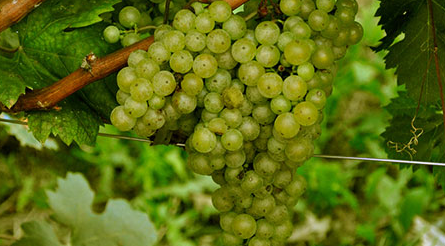
Vitovska is the queen of the Carso, the wild, windswept limestone plateau where Italy meets Slovenia above the gulf of Trieste. This rare white grape produces wines of striking minerality and character, and it has become a favourite of the natural and skin-contact wine movement. Saved from near-extinction, Vitovska is now celebrated as one of the most distinctive and terroir-driven whites in the Italian repertoire.
Origins and history Vitovska is an ancient native variety of the Carso, or Kras, the harsh karst landscape straddling the border of Friuli-Venezia Giulia and Slovenia. Modern research has revealed it to be a natural crossing of Malvasia Bianca Lunga, also known as Malvasia del Chianti, and Prosecco Tondo, the Prosecco vine now generally called Glera. It should not be equated with Slovenia’s Vitovska Grganja, a name often used interchangeably: the two share only about 55 per cent of their analysed alleles, and although one study found a first-degree parent-progeny link between them, they are related rather than identical. Like several grapes of the region it very nearly vanished during the twentieth century, surviving thanks to a handful of visionary Carso growers who rescued it in the 1980s and championed its revival.
A grape of the karst Everything about Vitovska is shaped by its brutal, beautiful home, a plateau of iron-rich red soil over white limestone, scoured by the fierce bora wind. These extreme conditions give the wine its trademark minerality and its ability to withstand extended skin contact. It is a grape inseparable from its terroir, and the growers who saved it have made it a symbol of the Carso’s uncompromising, artisanal wine culture.
Appearance and structure In its classic form Vitovska is straw yellow, fresh and delicate, with crisp acidity and pronounced minerality. But its thick skins also make it ideal for the amber, skin-contact style for which the region is famous, in which extended maceration produces a bronze-hued wine of grip, texture and tannin. In either guise the grape offers structure and length beyond its modest reputation.
Aromatic profile The wines show white flowers, pear, hay, sage and almond, underpinned by subtle honeyed and balsamic notes and a saline, stony minerality. Skin-contact versions add dried herbs, orchard fruit, tea and a savoury, nutty depth. Throughout runs a distinctive wild, herbal character that seems to capture the scent of the karst scrubland itself.
In the vineyard Vitovska is well adapted to the poor, stony soils and windy conditions of the Carso, where low yields and hard-won ripeness concentrate its character. Its thick skins give resistance to the elements and make it especially suited to long macerations. Growing here demands patience and dedication, as the thin soils and exposed sites allow only small quantities of intensely characterful fruit.
In the cellar The grape lends itself to two contrasting approaches. Some producers vinify it fresh and reductive in steel to preserve its delicate, mineral freshness, while others macerate it on the skins for weeks and age it on the lees, often in large oak, to make profound amber wines. Malolactic fermentation and extended lees ageing add further complexity to these artisanal, terroir-driven bottlings.
Key expressions
- Fresh, mineral steel-fermented whites of delicate perfume.
- Amber, skin-contact wines with grip and savoury depth.
- Lees-aged, large-oak versions of great complexity.
- Artisanal cuvées from the pioneering Carso growers.
The question of aging Vitovska, particularly in its skin-contact form, is a genuinely ageworthy white. Its minerality, acidity and, in amber versions, its tannin allow it to evolve over many years, gaining honeyed, nutty and savoury complexity while retaining its stony freshness. Even the fresher styles reward a few years in bottle, deepening in texture and character.
At the table Fresh Vitovska is superb with the seafood of the Adriatic, from shellfish to grilled fish, while the amber, skin-contact versions pair remarkably with richer fare such as cured meats, mature cheeses, mushroom dishes and even white meats. Its savoury, mineral character makes it a versatile and intriguing food wine. Serve fresh styles chilled and amber versions cool.
Why it matters Vitovska embodies the rugged spirit of the Carso and the artisanal, terroir-obsessed winemaking that has made the region a cult destination. Its rescue from extinction is one of the great success stories of Italy’s native grapes, and its skin-contact wines have won it a devoted international following. For lovers of minerality, individuality and place, Vitovska is unmissable.