
Garganega
The great white grape of the Veneto—the soul of Soave, capable of extraordinary mineral precision, almond blossom complexity, and impressive longevity.
Garganega is a grape variety most associated in Italy with Recioto di Soave, Soave, Soave Classico and Soave Superiore. I have reviewed seven wines made from it.
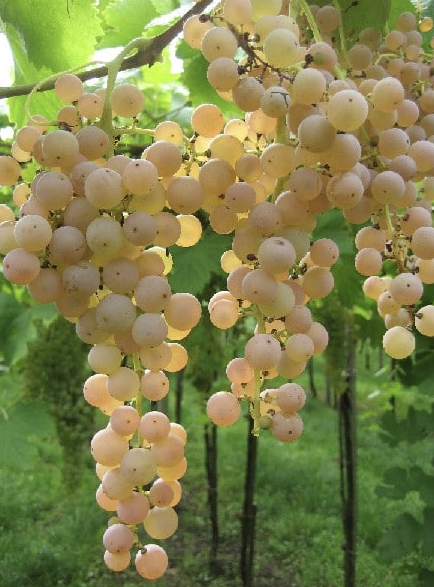
The Soul of Soave Garganega is the noble native white grape of the Veneto, the variety behind Soave — one of Italy’s most historic and, at its best, most underrated white wines. Capable of delicacy and freshness in youth and a surprising mineral complexity and longevity from the finest hillside sites, Garganega has long suffered from the reputation of cheap, industrial Soave, even as a dedicated band of growers proves what heights the grape can reach.
Origins and Lineage Garganega is an ancient variety long established in the hills east of Verona, and DNA research has revealed it to be a parent or close relative of a remarkable number of Italian grapes, including Sicily’s Catarratto. This genetic centrality marks it as one of the country’s historically important white varieties, deeply rooted in the volcanic and limestone hills of its Veneto homeland.
A Grape of the Volcanic Hills Garganega’s finest expressions come from the volcanic and limestone hillsides of Soave Classico and neighbouring Gambellara, where the dark basaltic soils and good exposure give the wines minerality, structure and depth. The flatter, more fertile plains yield the larger volumes of simpler wine, but the hills are where the grape reveals its true class.
In the Vineyard A vigorous, productive and late-ripening variety, Garganega demands careful yield control to express character rather than dilute neutrality, which is the root of Soave’s split reputation. Traditionally trained on the pergola veronese, it ripens slowly into the autumn, developing the concentration and aromatic subtlety that distinguish serious hillside wines from industrial bulk.
Appearance and Structure Garganega gives pale, often greenish-gold whites of medium body, with moderate acidity and a delicate, subtly textured palate. It is a wine of finesse and gentle structure rather than overt power, finishing with the characteristic note of almond that is its hallmark and that gives the wines their savoury, gastronomic length.
Aromatic Profile The signature is white flowers, ripe pear, citrus and a delicate note of almond, with hints of stone fruit, herbs and, from volcanic sites, a saline minerality. The aromas are subtle and elegant rather than exuberant; with bottle age the best examples develop honey, dried fruit and a richer, nutty complexity.
In the Cellar Garganega is vinified both as fresh, steel-fermented Soave for early drinking and in richer, lees-aged or oak-influenced styles built for the cellar. It is also the basis of Recioto di Soave, the historic sweet wine made from dried grapes, in which the grape’s delicacy and almond character find a luscious, concentrated expression.
Key Expressions
- Soave Classico: the hillside heartland — mineral, almond-scented whites of real finesse.
- Soave Superiore (DOCG) & cru bottlings: structured, age-worthy single-vineyard wines.
- Gambellara: a neighbouring volcanic zone giving characterful Garganega.
- Recioto di Soave (DOCG): the historic sweet, dried-grape dessert wine.
The Question of Aging Though much Soave is drunk young, the best hillside and Superiore bottlings age remarkably for a decade or more, the delicate youthful fruit deepening into honey, dried apricot, almond and a waxy, mineral complexity that surprises those who know only everyday Soave.
At the Table Its delicacy, almond finish and gentle structure make Garganega a versatile food white: risotto, freshwater and sea fish, shellfish, white meats, vegetable dishes and fresh cheeses. It is a classic partner to the cuisine of the Veneto, refreshing yet substantial enough for richer dishes.
A Quality Movement Soave’s modern story is one of rehabilitation. After decades in which the name was synonymous with cheap, mass-produced wine from the fertile plains, a determined group of hillside growers set out to restore its reputation, championing old vines, low yields and the volcanic cru sites of the Classico zone. Their efforts, now recognised through a system of named vineyard units, have reminded the world that Garganega, properly grown, belongs among Italy’s finest white grapes.
Why It Matters Garganega is the historic heart of Veneto white wine — a grape too often judged by its industrial bulk reputation, but which, on the volcanic hills of Soave, produces delicate, mineral, age-worthy whites that rank among Italy’s most undervalued treasures.