
Catarratto
Sicily's most-planted white—a versatile workhorse capable of producing everything from neutral bulk wine to complex, site-expressive examples in skilled hands.
Catarratto is a grape variety most associated in Italy with Marsala. I have reviewed four wines made from it.
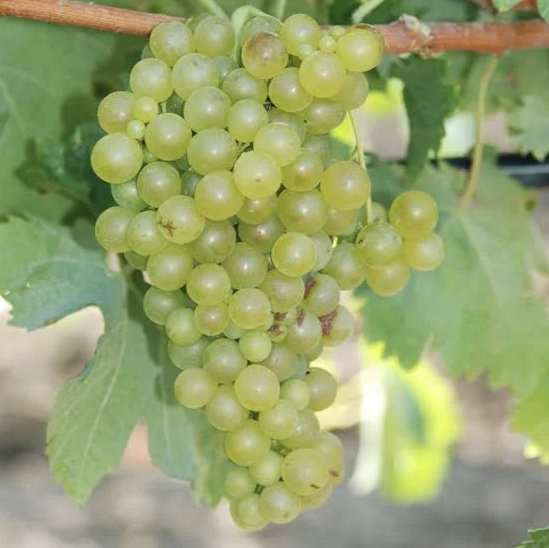
Sicily’s Most Planted White Catarratto is the most widely planted white grape of Sicily and one of the most planted in all of Italy, the workhorse white of the island’s vast vineyards. For generations it was grown anonymously in bulk, much of it destined for Marsala or for distillation, but a quality revolution has revealed Catarratto’s potential to produce fresh, characterful, even serious dry whites that express the warmth and freshness of Sicily.
Origins and Lineage Catarratto is an ancient and genetically important Sicilian variety, shown by DNA research to be a parent — with the Veneto’s Garganega — of a number of other grapes, including Sicily’s own Grillo. It exists in several biotypes, and its long history and wide planting make it a cornerstone of the island’s white-wine heritage, even where its name rarely appears on labels.
A Grape of Western Sicily Catarratto dominates the vineyards of western Sicily, especially the provinces of Trapani and the Marsala zone, where it thrives in the hot, sun-drenched, maritime climate. The combination of intense sunshine and cooling coastal breezes, together with varied soils, gives the grape both ripeness and the freshness essential to its modern dry-wine styles.
In the Vineyard A vigorous, productive and heat-tolerant variety, Catarratto is well adapted to Sicily’s arid conditions and was traditionally grown as low alberello bush vines or on high-yielding systems for bulk production. The key to quality lies in restraining its generous yields, which transforms a neutral, dilute wine into one of genuine concentration and character.
Appearance and Structure Catarratto gives pale to golden whites of medium body, with fresh acidity and a clean, sometimes lightly textured palate. Everyday versions are simple and crisp; from lower yields and careful winemaking it gains weight, structure and a saline, herbal depth that places it well above its humble bulk-wine reputation.
Aromatic Profile The signature is citrus and green apple lifted by white flowers, Mediterranean herbs, a hint of tropical fruit and a saline, sometimes nutty character. The aromas are fresh and clean, reflecting the sun-warmed coast; the better examples show greater intensity and a savoury, mineral edge that rewards attention.
In the Cellar Catarratto is made in many guises: fresh, aromatic dry whites for early drinking; richer lees-aged and skin-contact styles with more texture; the traditional base for Marsala; and as a component in Sicilian white blends. The modern focus on quality has seen growers treat it with a seriousness once reserved for more fashionable varieties.
Key Expressions
- Sicilia Catarratto: the modern dry-wine benchmark — fresh, citrussy, saline whites.
- Marsala: a traditional base grape for the island’s famous fortified wine.
- Skin-contact & lees-aged styles: more textured, characterful artisan wines.
- Sicilian white blends: a structuring, fresh component alongside other native whites.
The Question of Aging Most Catarratto is best enjoyed young and fresh, while its citrus and saline character are vivid, but the more concentrated, lees-aged and skin-contact examples can develop greater texture and complexity over a few years, revealing a more serious side to the grape.
At the Table Its freshness, acidity and saline character make Catarratto a natural with Sicilian seafood: grilled fish, shellfish, crustacean pasta, fritto misto and vegetable dishes, as well as fresh cheeses and antipasti. The richer styles can partner more substantial fish and white-meat dishes with ease.
A Grape Reconsidered For most of its history Catarratto was treated purely as a source of volume, its name rarely thought worth printing on a label. Sicily’s quality revolution has changed that. As growers across the island have rediscovered the value of their native varieties, Catarratto has been re-examined on its own merits, with old bush vines and careful winemaking revealing a grape capable of far more than the anonymous bulk wine of its past.
Why It Matters Catarratto is the quiet giant of Sicilian white wine — vast in plantings, humble in reputation, yet genetically central and increasingly capable, in quality-minded hands, of fresh, saline, characterful whites that reflect the island’s dramatic transformation from bulk producer to quality powerhouse.