
Grenache
The Italian planting of Grenache—found across Sardinia as Cannonau and in central Italian vineyards, producing warm, spiced reds of Mediterranean character.
Grenache is a grape variety most associated in Italy with Cannonau di Sardegna. I have reviewed one wine made from it.
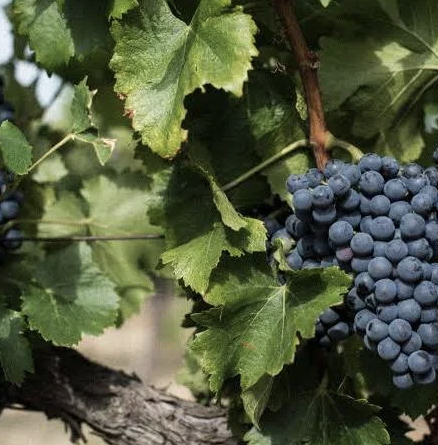
An International Grape with Italian Roots Grenache is one of the world’s most widely planted red grapes, famous in the southern Rhône and Spain, but it also has a long and important Italian presence — above all in Sardinia, where it is known as Cannonau. Warm-climate and generous, it gives ripe, spicy, full-bodied reds of red fruit and Mediterranean herbs, and its Italian expressions are among the most characterful in the country’s warm south.
The Cannonau Connection In Italy, Grenache is most significant as Cannonau, the signature red grape of Sardinia, where it has been grown for centuries and is central to the island’s wine identity. Whether Grenache reached Sardinia from Spain or, as some Sardinians argue, originated on the island itself, remains debated; either way, the grape is thoroughly at home in the Mediterranean warmth of Sardinia and the Italian south.
A Mediterranean Traveller Beyond Sardinia, Grenache appears elsewhere in warm Italian regions and under various local names, always favouring hot, dry, sunny climates where it can ripen fully. A grape that thrives in heat and drought, it is perfectly suited to the Mediterranean, and its Italian plantings reflect the same affinity for sun-baked conditions that has made it a mainstay of southern France, Spain and the wider warm-climate wine world.
In the Vineyard Grenache is vigorous, drought-resistant and late-ripening, needing plenty of heat and sun to reach full maturity, which it finds readily in Sardinia and the Italian south. It accumulates high sugar and thus alcohol, while its tannins remain relatively soft; managing yields and picking at the right moment are key to balancing ripeness with freshness in the finished wines.
Appearance and Structure Grenache gives medium to full-bodied reds, often pale to medium in colour, with ripe, supple tannins, moderate acidity and generous, warming alcohol. The wines are round, fleshy and approachable, their softness and ripe fruit making them immediately appealing; in their fuller forms they gain real depth and warmth, while lighter versions can be fresh, juicy and easy-drinking.
Aromatic Profile The signature is ripe red fruit — strawberry, raspberry and red cherry — framed by white pepper, Mediterranean herbs, dried spice and a warm, sometimes leathery earthiness. As the wines age or ripen further, the fruit can turn to darker, stewed and figgy notes. This combination of sweet red fruit and savoury, herbal spice gives Grenache its warm, generous, sun-soaked character.
In the Cellar Grenache is made in many styles, from fresh, fruity reds and rosés to rich, oak-aged wines and sweet fortified bottlings, and it blends readily with Syrah and other varieties. In Sardinia as Cannonau it appears as everything from juicy young reds to structured Riserva and traditional sweet and fortified wines, the winemaker choosing whether to emphasise fresh fruit or riper, more powerful concentration.
Key Expressions
- Cannonau di Sardegna: the island’s warm, spicy, red-fruited flagship.
- Riserva styles: fuller, oak-aged, more structured expressions.
- Rosé: fresh, fruity pink wines from a naturally pale grape.
- Sweet & fortified: traditional dessert wines from ripe Grenache.
The Question of Aging Everyday Grenache is best enjoyed young for its ripe, juicy fruit, but the more structured, concentrated examples — including fine Cannonau Riserva — can age well for several years, the red fruit deepening into darker, dried and figgy notes with leather, spice and savoury, earthy complexity. Its soft tannins mean it rarely needs long cellaring to become approachable.
At the Table Grenache’s ripe fruit, soft tannins and warming character make it a versatile and generous food red, suited to grilled and roast meats, game, stews, cured meats and hearty Mediterranean dishes. Its spice and herbal notes flatter southern cooking, while the fresher styles and rosés pair well with lighter fare, and sweet versions with chocolate and dried fruit.
Why It Matters Grenache is a great international grape with deep Italian roots, above all as Cannonau, the proud red of Sardinia. Warm, generous and spicy, it captures the sunlit character of the Mediterranean south, and its Italian expressions show how a globe-trotting variety can put down centuries-deep roots and become the emblem of an island’s wine identity.