
Kerner
A Germanic cross thriving in Alto Adige's highest vineyards, producing crisp, floral whites with fine acidity and an appealing alpine freshness.
Kerner is a grape variety most associated in Italy with Alto Adige. I have reviewed one wine made from it.
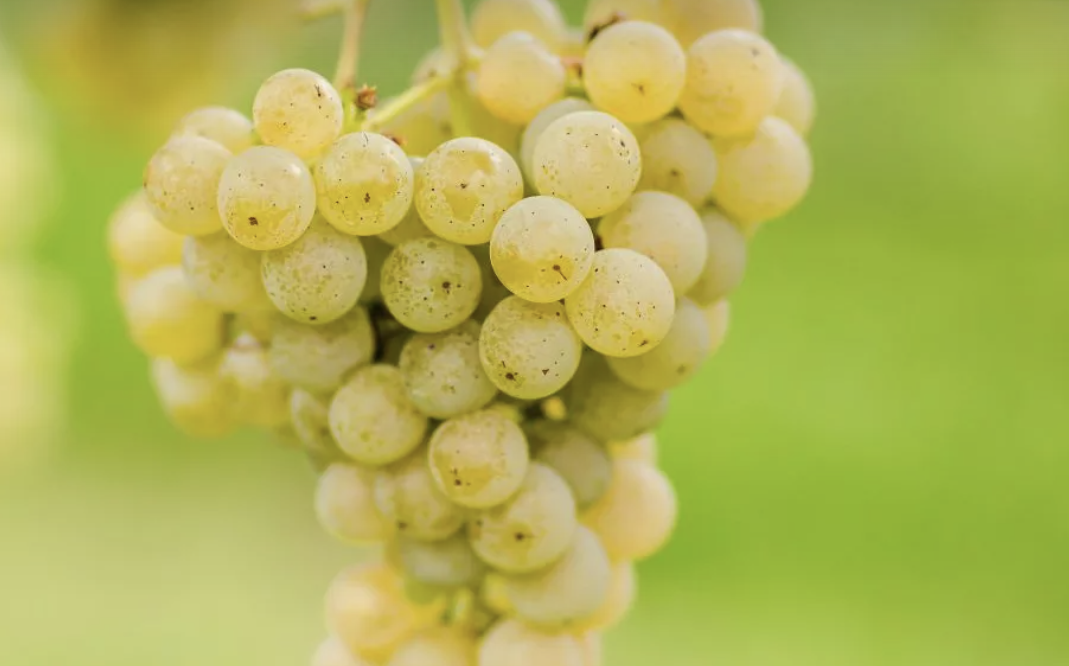
The Modern Alpine Aromatic Kerner is a relatively modern white grape that has found an unexpectedly fine home in the high vineyards of Alto Adige, especially the cool Valle Isarco (Eisacktal). Aromatic, fresh and structured, it produces distinctive dry whites that combine Riesling-like aromatics with crisp alpine acidity. A 20th-century creation rather than an ancient native, it has nonetheless become one of the signature whites of Italy’s far north.
A 20th-Century Crossing Kerner is a German grape crossing created in the early 20th century from Riesling and the red Schiava (Trollinger / Vernatsch), bred to combine Riesling’s aromatic quality and acidity with greater hardiness and reliability. Named after a German poet who wrote in praise of wine, it has proved especially successful in the cool, high vineyards of the South Tyrol, where it ripens dependably.
A Grape of the High Valley Kerner’s Italian heartland is the Valle Isarco in Alto Adige, among the highest and coolest wine zones in the country, where the granitic soils, altitude and cold nights suit its aromatic, acid-driven style. It has become one of the valley’s signature grapes, prized for the way it combines vivid perfume with the freshness that the high alpine sites preserve.
In the Vineyard A hardy, cold-resistant and reliable variety — qualities it was bred for — Kerner thrives in the demanding high-altitude conditions of the Valle Isarco, ripening dependably even where more delicate grapes struggle. It keeps excellent acidity and develops pronounced aromatics in the cool climate, with the steep alpine sites and modest yields concentrating its character.
Appearance and Structure Kerner gives pale, light to medium-bodied whites with fresh, lively acidity and a clean, structured palate. It combines aromatic intensity with crisp freshness and a certain structure, making it both fragrant and refreshing — a dry white of real character that balances perfume and precision in a distinctly alpine style.
Aromatic Profile The signature is citrus and green apple lifted by white flowers, white peach, a hint of exotic fruit and a subtle aromatic, almost Muscat-like spice inherited from its Riesling parentage. The aromas are vivid and appealing, giving the wines an immediate fragrant charm balanced by their crisp, fresh, mineral character.
In the Cellar Kerner is almost always vinified in stainless steel to capture its vivid aromatics and crisp freshness, with little or no oak that would mask its perfume. The aim is to highlight the grape’s fragrant, acid-driven character and its sense of alpine place, producing a fresh, aromatic, food-friendly dry white of real precision.
Key Expressions
- Alto Adige Valle Isarco (Eisacktal): the benchmark — aromatic, fresh, structured high-altitude dry whites.
- Alto Adige (wider): fragrant, crisp expressions from across the region.
- High-altitude bottlings: the most precise and aromatic wines from the steep alpine sites.
- Riserva & lees-aged styles: occasional richer, more textured expressions.
The Question of Aging Most Kerner is enjoyed young for its vivid aromatics and crisp freshness, but the best examples from the high Valle Isarco can age well for several years, the fragrant fruit deepening into honeyed, more complex notes while the wines retain their characteristic acidity and alpine lift.
At the Table Its aromatics, freshness and structure make Kerner a versatile and distinctive food white, especially with South Tyrolean cuisine: speck and cured meats, dumplings, freshwater fish, lightly spiced and aromatic dishes, vegetable dishes and mountain cheeses. Its perfume and crisp acidity make it both refreshing and flexible at the table.
Why It Matters Kerner shows that a modern crossing can earn a noble home: bred for hardiness, it has become one of the signature aromatic whites of the high Valle Isarco, combining Riesling-like perfume with crisp alpine freshness in one of Italy’s coolest and most distinctive white-wine zones.