
Picolit
Friuli's aristocratic dessert wine grape—producing tiny yields of precious, golden nectar with notes of lychee, apricot, and dried flowers.
Picolit is a grape variety most associated in Italy with Colli Orientali del Friuli Picolit and Collio Goriziano. I have reviewed two wines made from it.
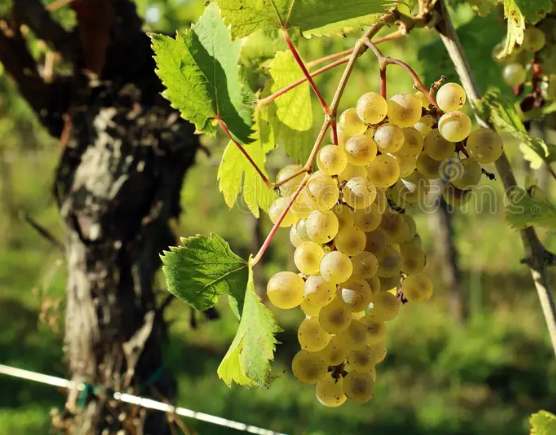
The Jewel of Friuli Picolit is one of Italy’s most celebrated and rarest sweet wines, a golden dessert wine from the hills of Friuli in the north-east. Famous since the eighteenth century, when it graced the courts of Europe, it is a wine of great delicacy and finesse rather than sheer richness — refined, floral and honeyed. Its rarity, born of a natural vineyard quirk, has always been part of its allure.
A Historic Court Wine Picolit rose to fame in the 1700s, when it was sought after by the royal and noble courts of Europe, from Vienna to the Vatican, prized as one of the great sweet wines of its day. This aristocratic history gave the grape an almost legendary status, and though production nearly died out, its reputation as a refined, courtly dessert wine has endured and driven its modern revival.
The Curse and Blessing of Low Yields Picolit is notorious for floral abortion, a natural condition in which many flowers fail to set fruit, leaving bunches sparse and yields tiny. This quirk makes the grape frustratingly unproductive and helps explain both its rarity and its high price, but the few grapes that do form are healthy and concentrated, contributing to the wine’s intensity and its status as a precious, small-production treasure.
In the Vineyard Grown in the Colli Orientali del Friuli, Picolit demands patient, careful cultivation to cope with its poor fruit set and low yields. The surviving grapes are often left to hang and shrivel, or dried after picking, concentrating their sugars for sweet wine. This meticulous, labour-intensive viticulture, on the region’s marl and sandstone hills, is essential to coaxing quality from so unproductive a variety.
Appearance and Structure Picolit gives a golden, medium-bodied sweet wine of remarkable elegance, its sweetness always kept in check by fresh acidity so that it feels refined rather than heavy. This is a dessert wine defined by delicacy, balance and finesse rather than the unctuous richness of some sweet wines, its lightness of touch and poised structure being central to its distinctive, aristocratic charm.
Aromatic Profile The aromas are delicate and complex — acacia and wildflower honey, dried apricot, candied citrus, peach and almond, with floral and gently herbal notes. Rather than overwhelming sweetness, Picolit offers subtlety and refinement, the honeyed, floral and dried-fruit character unfolding with grace. This finesse, more than power, is the signature of the grape and the source of its long-standing renown.
In the Cellar Picolit is made as a sweet wine from late-harvested, shrivelled or lightly dried grapes, fermented to leave residual sugar balanced by the grape’s acidity. Some producers age it in wood for added complexity, others favour a fresher, more floral style; in all cases the aim is to preserve the wine’s delicacy and elegance, allowing its refined, honeyed character to shine.
Key Expressions
- Colli Orientali del Friuli Picolit DOCG: the classic, refined golden dessert wine.
- Cialla: a historic single sub-zone producing prized Picolit.
- Passito-style bottlings: made from dried grapes for greater concentration.
- Oak-aged versions: richer, more complex expressions from barrel aging.
The Question of Aging Picolit’s balance of sweetness and acidity gives it real aging potential, and the best examples develop over many years, the honey and dried fruit deepening into complex notes of caramel, nuts, spice and candied citrus. While delicious in its floral youth, it rewards patience, gaining depth and complexity while retaining the finesse and freshness that define it.
At the Table Picolit is a classic meditation wine, lovely on its own after a meal, but it also pairs beautifully with almond and dry pastries, fruit tarts, dried fruit and mature or blue cheeses. Its delicacy means it flatters lighter desserts rather than overpowering them, while its acidity and refinement make it an elegant, contemplative end to a special occasion.
Why It Matters Picolit is one of Italy’s most storied sweet wines — a rare, refined dessert wine that once charmed the courts of Europe and survives today as a small-production jewel of Friuli. Its delicacy, its aristocratic history and the natural quirk that keeps it scarce combine to make it one of the country’s most romantic and sought-after wines.