
Alicante
The Italian name for Grenache, grown in scattered regions of Tuscany and beyond, producing warm, full-bodied reds with Mediterranean character.
Alicante is a grape variety most associated in Italy with Morellino di Scansano, Capalbio, Maremma Toscana and Arghillà. I have reviewed three wines made from it.
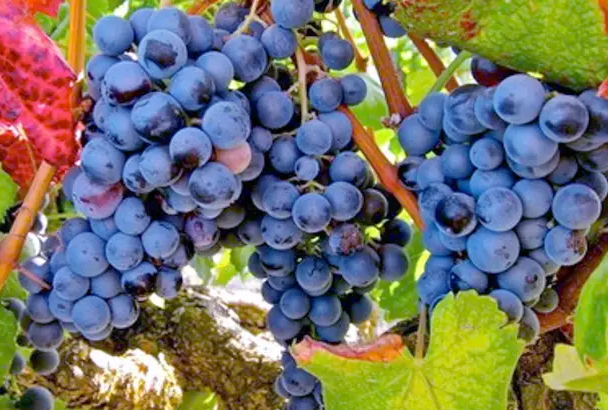
Alicante is the Italian face of one of the world’s great red grapes, a warm-hearted, spicy variety that carries the sun of the Mediterranean in every glass. Known elsewhere by more famous names, it has put down deep roots in central Italy and the islands, producing generous, berry-scented reds of easy appeal. For drinkers exploring the many Italian guises of a truly international grape, Alicante is a delicious and revealing chapter.
Origins and history Alicante is the Tuscan name for the grape known as Garnacha in Spain and Grenache in France. The conventional account has it carried to Italy from Spain under Aragonese rule, part of the great migration that spread the variety across the western Mediterranean, and that may well be right. It is no longer the only reading, though: a 2011 study found that while Garnacha, Alicante, Cannonau, Tocai Rosso and Gamay Perugino all share one genetic profile, the Italian vines are far more genetically variable than the Spanish ones, which its authors took as evidence that the birthplace may have been Italian after all. In Italy it is found under the name Alicante chiefly in Tuscany, Lazio and Umbria, where it has developed its own regional character over the centuries.
A grape of many names The same variety appears across Italy under a remarkable array of local names, most famously as Cannonau in Sardinia, but also as Tai Rosso, Guarnaccia and others. Though genetically one grape, each of these has evolved in relative isolation, developing distinct traditions and expressions. Alicante is the version most associated with the Tuscan mainland, particularly the warm coastal Maremma, where it thrives in the Mediterranean climate.
Appearance and structure The wines are ruby red with purplish tones that turn toward garnet with age. Alicante is medium to full-bodied and typically soft on the palate, with moderate tannins, gentle acidity and a relatively high alcohol content that gives it warmth and generosity. Its texture is supple and approachable, making it an inviting, easy-drinking red even in its more structured forms.
Aromatic profile Alicante leads with small red berry fruit, strawberry and raspberry, framed by warm spice and ethereal, sometimes floral hints. There is often a note of ripe red fruit and a characteristic almond-like nuance on the finish. The overall impression is generous, spicy and sun-warmed, the hallmark of a Grenache-family grape grown in a hot Mediterranean setting.
In the vineyard Like its Grenache relatives, Alicante is well suited to warm, dry, sunny conditions, thriving in the heat of coastal Tuscany and the central Italian hills. It ripens to high sugar levels, giving the wines their generous alcohol, and it is a hardy, drought-tolerant variety adapted to the Mediterranean climate. Careful site selection and yield control help preserve freshness and balance in the finished wine.
In the cellar Alicante is vinified in a range of styles, from fresh, fruit-forward wines and rosés made for early drinking to more structured, oak-aged reds. Its soft tannins and generous fruit make it approachable young, while a period in wood can add spice and complexity. It also blends well with other Mediterranean varieties, lending warmth, colour and fruit to the mix.
Key expressions
- Warm, spicy Tuscan and Maremma varietal reds.
- Fresh, fruit-forward rosés for early drinking.
- Oak-aged versions with added spice and structure.
- Blends adding warmth, colour and berry fruit.
The question of aging Alicante is generally best enjoyed in its generous youth, when its ripe berry fruit and warm spice are at their most vivid. The fresher, fruit-forward versions are made for early drinking, while the more structured, oak-aged wines can develop over several years, their colour shifting toward garnet and their flavours deepening into spice and dried fruit. Its moderate tannins mean it rarely demands long cellaring.
At the table Its soft tannins, gentle acidity and spicy fruit make Alicante a versatile and friendly food wine. It pairs happily with grilled and roasted meats, herb-scented Mediterranean dishes, hearty pasta and mild cheeses, while rosé versions flatter seafood and summer fare. Its warmth and generosity suit the rustic cooking of central Italy. Serve at cool room temperature.
Why it matters Alicante shows how a single great grape can take on a distinctly Italian character, adding a warm, Mediterranean voice to the reds of Tuscany and central Italy. As one of the many Italian names for Grenache, it offers a fascinating window onto the grape’s long history and adaptability. For drinkers who enjoy generous, spicy reds, Alicante is an accessible and rewarding discovery.