
Barbera
Italy's everyday workhorse turned artisan darling—naturally high acid, low tannin, and dark-fruited, capable of great complexity in skilled hands.
Barbera is a grape variety most associated in Italy with Barbera d'Asti, Barbera del Monferrato Superiore, Nizza and Alba. I have reviewed 16 wines made from it.
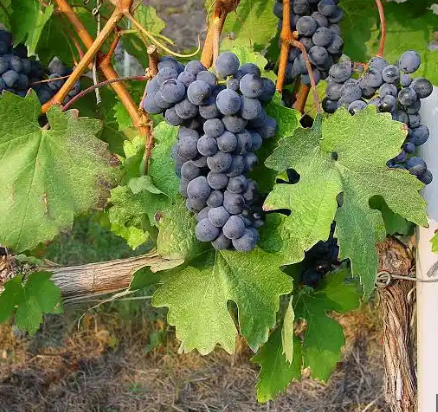
Piedmont’s Everyday Hero If Nebbiolo is the aristocrat of Piedmont, Barbera is the people’s grape — the red that fills the carafes and Sunday tables of the region. Long undervalued and dismissed as a simple jug wine, it has risen in recent decades into serious, ageworthy bottlings, while never losing its essential joy and drinkability. It is the grape that Piedmont actually drinks day to day.
A Piedmontese Native Documented in the Monferrato hills since at least the 18th century, Barbera became the most planted red grape of Piedmont because it ripens reliably, yields generously and grows well even on sites too humble or poorly exposed for fussy, demanding Nebbiolo. For generations it was the daily wine of the region’s growers and families.
Appearance and Structure Barbera’s signature is a striking combination of deep, saturated colour, very high acidity and notably low tannin — almost the mirror image of pale, tannic Nebbiolo. This makes it juicy, fresh and immediately drinkable, with a bright, mouth-watering lift that keeps it lively and refreshing even at full ripeness and substantial alcohol.
Aromatic Profile Expect ripe red and black cherry, blackberry and plum with notes of dried herbs, liquorice and a fresh, tangy acidity. Oak-aged versions add spice, vanilla, cocoa and a deeper, more structured profile, while the traditional unoaked style keeps the focus squarely on vivid, juicy fruit.
Two Styles Barbera lives a double life. The traditional, unoaked style is vivid, fruity and lively, made for the table and early drinking; the modern, barrique-aged style — pioneered in the hills of Asti from the 1980s — is richer, denser and built for ageing, proving the grape can produce wines of real seriousness, structure and ambition.
In the Cellar The winemaker’s key decision is how far to push Barbera. Light maceration and stainless steel preserve its fresh, juicy fruit for everyday drinking, while riper grapes, longer extraction and new French oak yield concentrated, structured reds. Either way, the grape’s defining high acidity remains its unmistakable signature and its greatest asset at the table.
Key Expressions
- Barbera d’Asti: the heartland, giving the most complete expressions of the grape.
- Nizza (DOCG): the top cru-level appellation within Asti — structured, serious and ageworthy.
- Barbera d’Alba: often riper and rounder, grown alongside Nebbiolo in the Langhe.
- Barbera del Monferrato: lighter, fresher, sometimes lightly sparkling everyday styles.
The Question of Aging Everyday Barbera is best young and fresh, within a few years of the vintage, but top Nizza and barrique-aged bottlings age well for a decade, the bright fruit deepening into dried cherry and spice while the acidity keeps them energetic and alive.
At the Table Barbera’s high acid and low tannin make it one of the most food-flexible reds in all of Italy: pizza, tomato pasta, salumi, risotto, roast pork and the rich, buttery dishes of Piedmontese cooking. Its freshness cuts through fat and richness effortlessly.
The Barrique Revolution Barbera’s transformation from humble carafe wine to serious bottling was no accident. In the 1980s a group of ambitious producers in the hills of Asti began treating the grape with the respect previously reserved for Nebbiolo — lowering yields, harvesting riper fruit and ageing the wines in new French barriques. The results stunned the wine world and divided opinion, but they proved beyond doubt that Barbera’s deep colour and vivid acidity could carry real structure and oak. That revolution paved the way for today’s Nizza DOCG and the grape’s modern reputation as a wine capable of genuine ambition.
Why It Matters Barbera is the everyday soul of Piedmont and living proof that humble grapes can rise: still the region’s joyful, indispensable table red, yet now capable, in the right hands and on the right sites, of genuine depth, structure and longevity.
Reviews for Barbera
Show 7 more reviews
- 2023 Giacomo Conterno Francia Barbera D’Alba98
- 2024 Raineri Ca Dei Folli Piemonte Barbera92
- 2015 Anna Maria Abbona “Cado” Langhe Rosso94
- 2019 Malgiacca ‘Malgiacca’ Super Tuscan96
- 2022 Elio Grasso Vigna Martina Barbera D’Alba93
- 2012 Flavio Roddolo Barbera D’Alba Superiore96
- 2021 La Pergola Monferrato Rosso90