
Bonarda
Lombardy's soft, plummy red—slightly fizzy in the Oltrepò Pavese style and one of Northern Italy's most approachable everyday wines.
Bonarda is a grape variety most associated in Italy with Albugnano, Bramaterra, Canavese and Colli di Parma. I have reviewed four wines made from it.
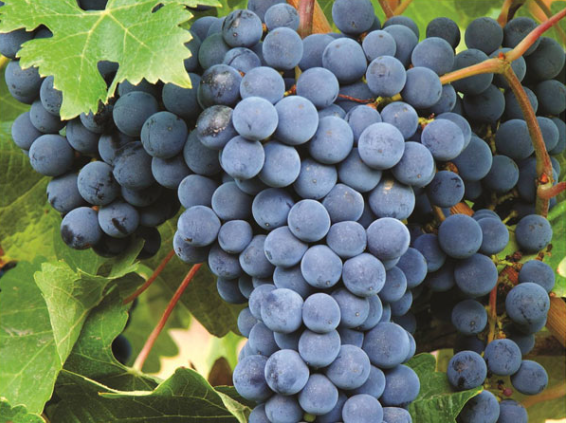
The True Bonarda of Piedmont Bonarda — properly Bonarda Piemontese — is a native red grape of Piedmont, a soft, fruity, characterful variety quite distinct from the Croatina grape often sold as “Bonarda” in the neighbouring Oltrepò Pavese. A minor but historic Piedmontese variety, it produces fresh, fragrant, gently structured reds, both on its own and as a softening blending partner, and is one of the region’s many lesser-known native grapes enjoying renewed attention.
A Tangle of Names The Bonarda name is one of the most confusing in Italian wine. True Bonarda Piemontese is a specific Piedmontese variety, but much wine labelled Bonarda — especially in Lombardy’s Oltrepò Pavese and in Argentina — is in fact made from the unrelated Croatina or other grapes. Untangling this confusion is essential to understanding Bonarda Piemontese as a distinct and historic variety in its own right.
A Grape of Piedmont Bonarda Piemontese’s heartland is the hills of northern and central Piedmont, including the Novara and Vercelli hills of the Alto Piemonte and parts of the Monferrato. The region’s calcareous and volcanic hillside soils and continental climate suit the grape, which has traditionally been grown as a soft, fruity complement to firmer varieties such as Nebbiolo and Barbera.
In the Vineyard A fairly late-ripening variety, Bonarda Piemontese gives soft, fruity grapes and has historically been valued for the approachability it brings to blends. Never planted in great quantity, it survives as a minority variety, and careful growers on good Piedmontese sites are increasingly valuing it for the fresh fruit and gentle charm it offers in both blends and varietal wines.
Appearance and Structure Bonarda Piemontese gives medium-coloured, medium-bodied wines with soft, gentle tannins and fresh acidity. It is a grape of fruit and approachability rather than structure or power, making fresh, juicy, food-friendly reds on its own and lending softness and fruit to blends with firmer, more tannic and structured Piedmontese varieties.
Aromatic Profile The signature is soft red and dark fruit — red cherry, plum and berries — with gentle floral notes, dried herbs and a subtle spice. The aromas are fresh and unpretentious, giving the wines an easy, fruity charm; the grape’s role, whether alone or in a blend, is to offer approachable fruit and freshness rather than depth or grip.
In the Cellar Bonarda Piemontese is made both as a soft, fresh, fruit-driven varietal red and as a blending partner that softens firmer Piedmontese grapes. It is usually vinified to preserve its fresh fruit, with restrained oak, and is sometimes made in a lightly sparkling style, in keeping with the traditions of north-western Italian everyday reds.
Key Expressions
- Piedmontese varietal Bonarda: fresh, fruity, gently structured reds from the true Bonarda Piemontese.
- Alto Piemonte blends: a soft, fruity partner to Nebbiolo (Spanna) in northern Piedmont.
- Monferrato & Colline Novaresi bottlings: characterful reds from across the grape’s range.
- Lightly sparkling styles: occasional frizzante versions in the local tradition.
The Question of Aging Bonarda Piemontese is generally made for fresh, fruity, early drinking, prized for the soft charm at its best in youth. Most examples are not built for long ageing, though as part of a structured blend it can contribute to wines that develop over several years, while varietal versions are best enjoyed young.
At the Table Its softness, gentle tannin and fresh fruit make Bonarda Piemontese a versatile, easy food red, well suited to Piedmontese everyday cooking: salumi and cured meats, pasta, risotto, roast and braised meats and medium cheeses. Served slightly cool, the fresher and lightly sparkling styles are especially appealing.
Why It Matters Bonarda Piemontese is the true Bonarda of Piedmont — a soft, fruity, historic native grape too often confused with the unrelated Croatina, and a charming, food-friendly variety that forms part of the rich and tangled tapestry of north-western Italy’s native reds.