
Freisa
A quirky Piedmontese red—spritzy, tannic, and bracingly dry, producing wines of great individual character around Chieri and the Langhe.
Freisa is a grape variety most associated in Italy with Freisa d'Asti, Freisa di Chieri and Monferrato. I have reviewed two wines made from it.
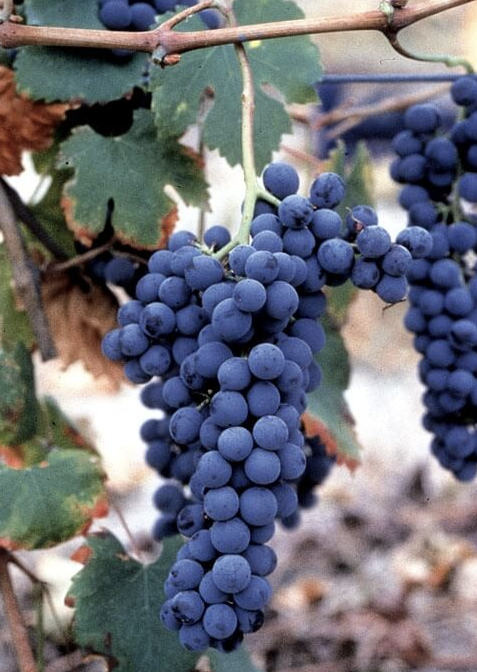
Piedmont’s Aromatic Curiosity Freisa is a distinctive and characterful native red grape of Piedmont, closely related to the great Nebbiolo and prized for its vivid perfume of red fruit and roses. Made in styles ranging from dry and still to lightly sparkling and gently sweet, it is one of the region’s most individual and historically beloved wines — an old-fashioned Piedmontese favourite enjoying renewed appreciation among lovers of fragrant, distinctive reds.
Origins and Lineage Freisa is an ancient Piedmontese variety, documented for centuries, and DNA research has revealed a close genetic relationship to Nebbiolo, of which it appears to be a relative or offspring. This noble connection helps explain its perfume, its firm tannins and its bright acidity, linking the humble, characterful Freisa to the aristocrat of Piedmontese grapes.
A Grape of the Piedmontese Hills Freisa is grown across the hills of Piedmont, from the Langhe and Monferrato to the area around Turin and Asti, often on sites alongside Nebbiolo and Barbera. The region’s calcareous hillside soils and continental climate give the grape its combination of vivid perfume, firm structure and fresh acidity, the foundation of its many traditional styles.
In the Vineyard A vigorous, productive and fairly late-ripening variety, Freisa is hardy and dependable, which helped ensure its survival as a traditional Piedmontese grape. Its firm tannins and high acidity mean that full ripeness and careful winemaking are needed to balance the wines, and restrained yields on good sites give the most perfumed and characterful expressions.
Appearance and Structure Freisa gives medium-coloured, medium-bodied reds with firm, sometimes grippy tannins and high, fresh acidity. The wines are aromatic and structured rather than soft and plush, with a vivid perfume and a lively, sometimes slightly rustic character that is part of their charm and their distinctive Piedmontese identity.
Aromatic Profile The signature is vivid red fruit — raspberry, strawberry and red cherry — lifted by an unmistakable note of rose and violet, with hints of spice and dried herbs. The intense floral, red-fruited perfume is the grape’s calling card, giving even its simplest wines an aromatic charm that recalls its noble relative Nebbiolo.
In the Cellar Freisa is made in a remarkable variety of styles: dry and still, lightly sparkling (frizzante), and gently sweet (amabile), reflecting its long history as a versatile everyday wine. The traditional frizzante and amabile styles balance the grape’s firm tannins and acidity with a touch of sweetness or sparkle, while modern dry versions show its more serious side.
Key Expressions
- Freisa d’Asti & Freisa di Chieri: the traditional heartlands, in still, frizzante and amabile styles.
- Dry still Freisa: structured, perfumed, Nebbiolo-like reds for the table.
- Frizzante & amabile styles: the lightly sparkling and gently sweet traditional versions.
- Langhe Freisa: characterful bottlings from the great red-wine heartland.
The Question of Aging Much Freisa, especially the frizzante and amabile styles, is made for fresh, youthful drinking, but the best dry, structured bottlings can age for several years, the vivid floral fruit deepening and the firm tannins softening into a more savoury, complex maturity.
At the Table Its perfume, firm tannin and fresh acidity make Freisa a versatile partner for Piedmontese food: salumi, cured meats, rich pasta, roast and braised meats and medium cheeses. The lightly sparkling and gently sweet styles are traditionally enjoyed with salami, chestnuts and even informal everyday meals.
A Taste of Old Piedmont To drink Freisa is to taste a piece of Piedmontese history — a wine that earlier generations knew far better than today’s, and which carries the flavours and habits of the region’s rural past into the modern glass with undiminished character.
Why It Matters Freisa is one of Piedmont’s most individual and historic native reds — a perfumed, characterful relative of Nebbiolo that survives in a fascinating range of traditional styles, and that rewards the curious drinker with one of the most distinctive aromatic profiles in all of Italian wine.