
Dolcetto
Piedmont's 'little sweet one'—deceptively named, as it's actually dry with a characteristic bitter finish, delivering joyful purple-stained reds best drunk young.
Dolcetto is a grape variety most associated in Italy with Dogliani, Dolcetto di Diano d'Alba, Dolcetto di Ovada Superiore and Langhe. I have reviewed six wines made from it.
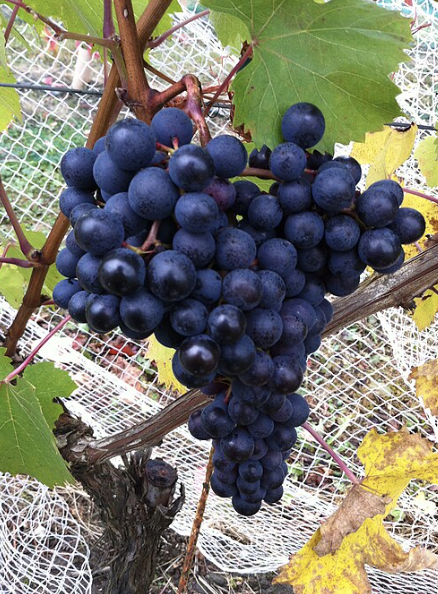
Piedmont’s Everyday Pleasure Dolcetto is the third of Piedmont’s great native red grapes, completing the regional trio alongside aristocratic Nebbiolo and lively Barbera. Where Nebbiolo demands patience and Barbera brings acidity, Dolcetto offers immediate, soft, fruity pleasure — the wine traditionally drunk while waiting for the Nebbiolo to mature. Deeply coloured, gently structured and supremely drinkable, it is the everyday red of the Langhe table.
A Name that Misleads Dolcetto means “little sweet one,” but the name refers to the sweetness of the grapes themselves, not the wine, which is almost always dry. The name likely reflects how palatable and approachable the ripe grapes are, and perhaps the gentle, low-acid softness of the resulting wine. It is one of the most charming and misunderstood names in Italian wine.
A Grape of the Langhe Dolcetto is grown throughout Piedmont but is most associated with the hills of the Langhe and Monferrato, where it is often planted on cooler, less favoured sites than precious Nebbiolo. Dogliani, south of Alba, is considered its finest home, producing the most structured and serious Dolcetto, while Dolcetto d’Alba and Diano d’Alba offer classic, juicy expressions.
In the Vineyard Dolcetto ripens early, well before Nebbiolo, which lets it occupy sites and slots in the harvest that the later grape cannot use. It can be tricky to grow, prone to uneven ripening and sensitive to its site, and its naturally low acidity means careful timing of the harvest is essential to keep the wines fresh and balanced rather than flat.
Appearance and Structure Dolcetto gives deeply coloured, purple-tinged reds with moderate, soft tannins and notably low acidity — a combination that makes the wines round, supple and immediately approachable. They are medium-bodied and fruit-driven, built for pleasure and the table rather than for long ageing or intellectual contemplation.
Aromatic Profile The signature is dark fruit — blackberry, black cherry and plum — with notes of liquorice, dried herbs, violets and a characteristic bitter-almond twist on the finish. The fruit is generous and juicy, the impression soft and welcoming, with that gently bitter almond note giving the wines a savoury edge that keeps them from being merely sweet-fruited.
In the Cellar Dolcetto is generally vinified simply to preserve its soft, juicy fruit, with short maceration and little or no new oak. The aim is freshness and drinkability rather than structure or extraction; the more ambitious Dogliani bottlings may see longer ageing and can carry a little oak, but even these remain wines of fruit and charm.
Key Expressions
- Dogliani (DOCG): the most structured and serious Dolcetto, capable of modest ageing.
- Dolcetto d’Alba: the classic juicy, soft, everyday Langhe red.
- Diano d’Alba (Diano d’Alba DOCG): a richer, often more concentrated hillside expression.
- Dolcetto di Ovada & d’Acqui: further Piedmontese expressions from the south-east.
The Question of Aging Dolcetto is emphatically a grape for youthful drinking, prized for the soft, juicy fruit that is at its best within a few years of the vintage. The sturdiest Dogliani bottlings can hold and even improve for several years, but freshness and immediate charm are the grape’s whole point.
At the Table Its soft tannins, low acidity and juicy fruit make Dolcetto endlessly versatile and easy: salumi, pizza, pasta, risotto, roast and grilled meats and the everyday dishes of Piedmontese home cooking. It is the ultimate uncomplicated food red, served young and even slightly cool.
Why It Matters Dolcetto is the joyful everyday face of Piedmont — the soft, fruity, deeply coloured red that the region drinks while its Nebbiolo slumbers in the cellar, and a perfect reminder that not every great wine region’s pleasures need to be serious or slow.