
Inzolia
A Sicilian-Tuscan white (known as Ansonica in Tuscany) producing golden, almond-tinged wines—once the backbone of Marsala, now celebrated as a varietal.
Inzolia is a grape variety most associated in Italy with Marsala. I have reviewed one wine made from it.
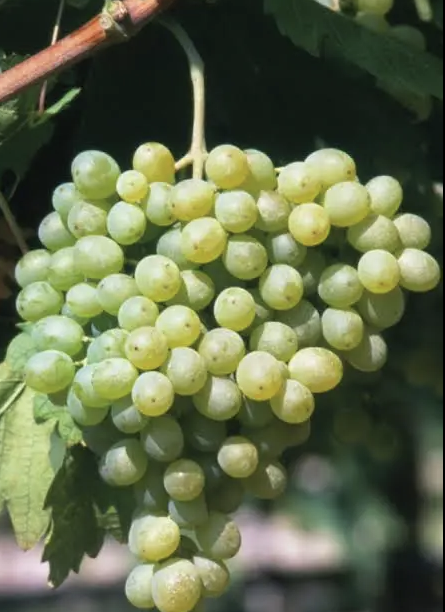
A Classic Sicilian White Inzolia, also known as Insolia and, on the Tuscan coast, as Ansonica, is one of Sicily’s most important and historic white grapes. Producing soft, fruity, gently nutty whites of moderate acidity, it is a mainstay of the island’s dry white wines and a traditional component of Marsala. A grape of warmth and rounded charm, it is grown across Sicily and along the Tuscan coast, giving characterful Mediterranean whites.
A Grape of Two Coasts Inzolia is above all a Sicilian grape, planted widely across the island, but it is also grown on the Tuscan coast and its islands — around the Argentario, Elba and Giglio — where it is known as Ansonica. In both regions it makes soft, sun-warmed whites, and its presence on these warm Mediterranean coasts reflects a long history and an affinity for hot, maritime climates.
Dry Wine and Marsala Inzolia plays a double role in Sicilian wine: it is a key grape for fresh, dry varietal and blended whites, and it is one of the traditional varieties used in Marsala, the island’s famous fortified wine. Its soft fruit, gentle acidity and nutty character suit both roles, and its versatility has long made it a valued and widely planted grape across Sicily’s diverse wine landscape.
In the Vineyard Inzolia ripens well in Sicily’s hot, sunny climate, giving soft, relatively low-acid grapes, and needs careful management and picking to preserve freshness in the heat. Grown across the island’s varied soils and along the warm Tuscan coast, it yields ripe, fruity fruit of moderate structure. Attention to timing and cooler sites helps retain the acidity and freshness that balance its natural roundness.
Appearance and Structure Inzolia gives pale to golden, medium-bodied dry whites with soft, moderate acidity, a rounded texture and a smooth, gently nutty finish. Fuller and softer than crisper Italian whites, it offers body and easy appeal rather than sharp freshness, producing wines that feel supple and approachable. This roundness and gentle nuttiness are the grape’s defining traits.
Aromatic Profile The aromas are soft and Mediterranean — ripe orchard fruit, citrus, white flowers and a characteristic note of almond and toasted nuts, with herbal and sometimes saline touches. Rather than sharp or exotic aromatics, Inzolia offers a mellow, fruity, nutty fragrance and a rounded palate, its soft, warm character giving the wines an easy, approachable charm well suited to the Sicilian table.
In the Cellar Inzolia is usually vinified in stainless steel to preserve its soft fruit and gentle freshness, producing rounded, approachable dry whites, both as a varietal and blended with grapes such as Catarratto and Grillo. It is also a traditional component of Marsala. Some producers use lees contact or oak for added texture in fuller styles, but the emphasis is generally on soft, fruity, nutty appeal.
Key Expressions
- Sicilia Inzolia: the soft, fruity, nutty varietal white.
- Ansonica della Costa dell’Argentario: the Tuscan coastal expression.
- Marsala: a traditional grape of Sicily’s famous fortified wine.
- Sicilian blends: a rounded partner to Catarratto and Grillo.
The Question of Aging Inzolia is generally best enjoyed young, within a year or two, when its soft fruit and gentle freshness are at their most appealing. Its moderate acidity means it is not built for long cellaring, though fuller, more structured examples can hold for a few years, gaining a little breadth and nuttiness. The grape’s charm lies chiefly in its youthful, rounded, fruity character.
At the Table Inzolia’s soft body and gentle, nutty, fruity character make it a versatile partner for Sicilian and Mediterranean cuisine — seafood and grilled fish, antipasti, vegetables, poultry and fresh cheeses. Its rounded texture and easy freshness suit both delicate and moderately rich dishes, while the almond and herbal notes flatter the island’s coastal and vegetable-forward cooking.
Why It Matters Inzolia is one of Sicily’s classic native whites — a soft, fruity, nutty grape that has long been central to the island’s dry wines and its famous Marsala, and which flourishes too on the Tuscan coast as Ansonica. Rounded and approachable, it embodies the warm, easygoing style of Mediterranean white wine and remains a characterful and enduring part of Sicily’s rich viticultural heritage.