
Trebbiano
Italy's most planted white—the high-yielding backbone of much of Italian viticulture—but capable of distinguished wines in Abruzzo when yields are controlled.
Trebbiano is a grape variety most associated in Italy with Trebbiano d'Abruzzo, Vin Santo and Toscana. I have reviewed 12 wines made from it.
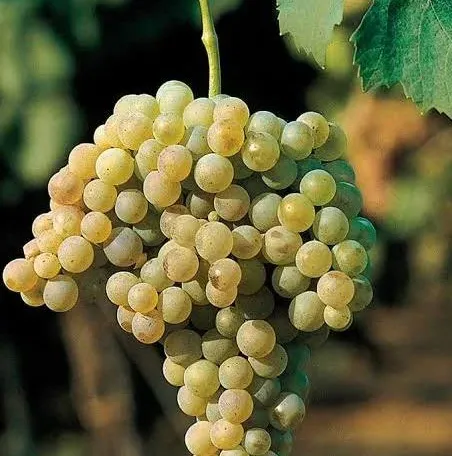
Italy’s Ubiquitous White Trebbiano is not one grape but a sprawling family of related white varieties, and together they form one of the most widely planted white wines in Italy and the world. For generations Trebbiano has been the everyday white of the peninsula — high-yielding, dependable and often neutral — but within the family hide a few varieties capable of genuine distinction. To understand Trebbiano is to understand both the workhorse and, occasionally, the thoroughbred of Italian white wine.
A Family, Not a Grape The Trebbiano name covers several genetically distinct varieties, the most important being Trebbiano Toscano and Trebbiano d’Abruzzo, alongside Trebbiano Spoletino, Trebbiano di Soave and others. Trebbiano Toscano, known in France as Ugni Blanc, is among the most planted white grapes on earth and the base of much Cognac and Armagnac. Confusingly, some grapes bearing the name are unrelated to one another, while a few — such as Trebbiano di Soave — turn out to be identical to other famous varieties, in that case Verdicchio.
A Grape Across All of Italy Few varieties are so geographically widespread. Trebbiano is grown the length of the peninsula, from Piedmont to Sicily, but is concentrated in central Italy — Tuscany, Umbria, Lazio, the Marche and above all Abruzzo. It has historically been a permitted or required component of countless DOC whites, and even appeared in the old Chianti recipe as a white grape blended into the red, a practice now abandoned.
Appearance and Structure Most Trebbiano gives pale, light-bodied, high-acid whites with modest aromatics — fresh and clean but often neutral, designed for easy, everyday drinking. Yet the better members of the family, grown with care and low yields, can produce whites of surprising depth, texture, structure and longevity, overturning the grape’s humble everyday reputation.
Aromatic Profile In its everyday form, expect subtle citrus, green apple, white flowers and a brisk, neutral freshness. The finest examples — above all the best Trebbiano d’Abruzzo — develop greater complexity, with notes of stone fruit, almond, dried herbs, beeswax and a saline minerality that can rival far more famous and expensive whites.
The Abruzzo Exception If Trebbiano has a noble face, it is Trebbiano d’Abruzzo. From the best hillside sites, farmed for low yields, the grape produces whites of remarkable concentration and ageworthiness; the legendary, almost mythical bottlings of a few cult Abruzzese producers have shown the wider world that this “humble” grape is capable of true greatness, fetching prices that would once have seemed unthinkable.
In the Cellar Most Trebbiano is vinified simply in stainless steel to preserve freshness for early drinking. The serious examples, however, may see extended lees ageing or large oak, building texture and the capacity to age for years. Trebbiano is also crucial to Vin Santo, the traditional Tuscan dried-grape dessert wine, and serves as a base for vermouth and for distillation into brandy.
Key Expressions
- Trebbiano d’Abruzzo: the family’s quality summit, capable in the best hands of profound, age-worthy whites.
- Trebbiano Toscano (Ugni Blanc): the high-yielding workhorse and a key Vin Santo and distillation grape.
- Trebbiano Spoletino (Umbria): a distinct, characterful variety enjoying a vivid modern revival.
- Trebbiano di Soave / di Lugana: linked to the great Verdicchio-family whites of the Veneto and Lake Garda.
The Question of Aging Everyday Trebbiano is best young and fresh, but the top Trebbiano d’Abruzzo and Spoletino bottlings can age remarkably for a decade or more, developing honeyed, nutty, waxy complexity while keeping their bright, defining acidity.
At the Table Its freshness and clean acidity make it a natural with seafood, fried fish, vegetable dishes, light pasta and fresh cheeses. The richer, age-worthy examples can stand up to more substantial fare, from roast fish to white meats and even poultry.
Why It Matters Trebbiano is the quiet backbone of Italian white wine — vast in quantity, humble in reputation, yet home to a few varieties that, taken seriously, prove the family capable of greatness far beyond its everyday role.